From Bronze to Gold: How Kawempe Muslim Ladies Built Their Historic CECAFA Triumph
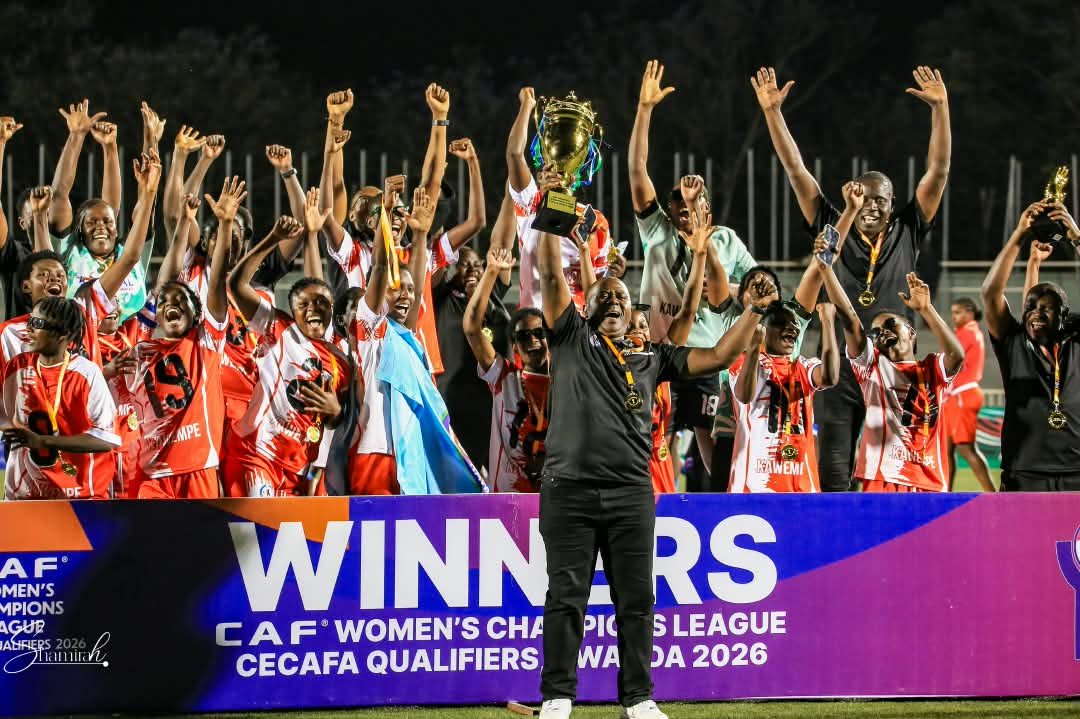
On Monday, August 31, 2026, Uganda’s representatives Kawempe Muslim Ladies FC made history by becoming the first Ugandan club to win the CECAFA Women’s Champions League Zonal Qualifiers.
The historic achievement came after Kawempe defeated Kenyan giants Kenya Police Bullets 1–0 in a dramatic final played under floodlights in Kigali, Rwanda.
The two sides could not be separated after 90 minutes, with the match ending goalless. Kawempe, however, found the breakthrough in extra time to secure the regional trophy and bring the glory back to Uganda.
The victory means Kawempe Muslim Ladies will represent the CECAFA region at the CAF Women’s Champions League final tournament later this year.
For Uganda, it was another important milestone in the country’s growing women’s football story.
For Kawempe Muslim Ladies, however, the success represents the reward for years of hard work, development and perseverance.
The 2026 triumph was not the beginning of their regional journey. It was the culmination of a journey that started with a bronze medal.
The 2024 Kawempe team that started the journey
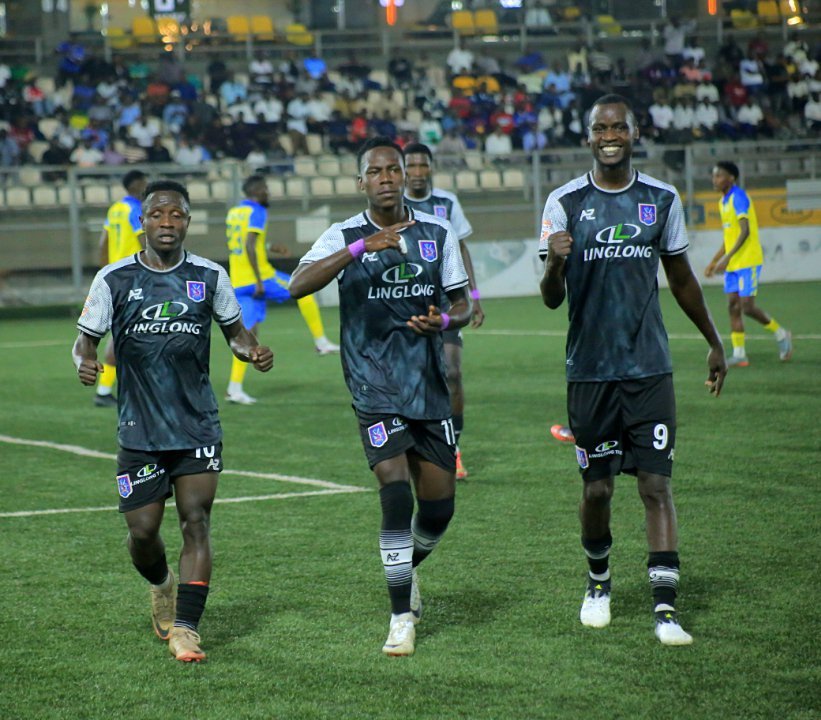
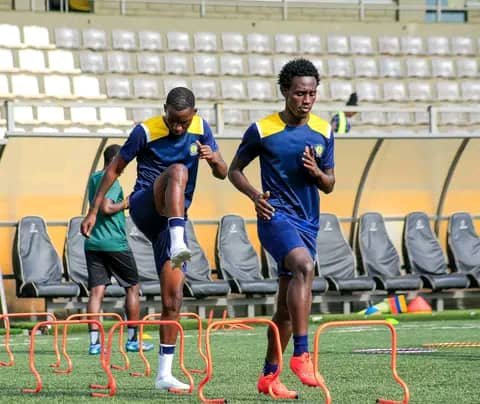
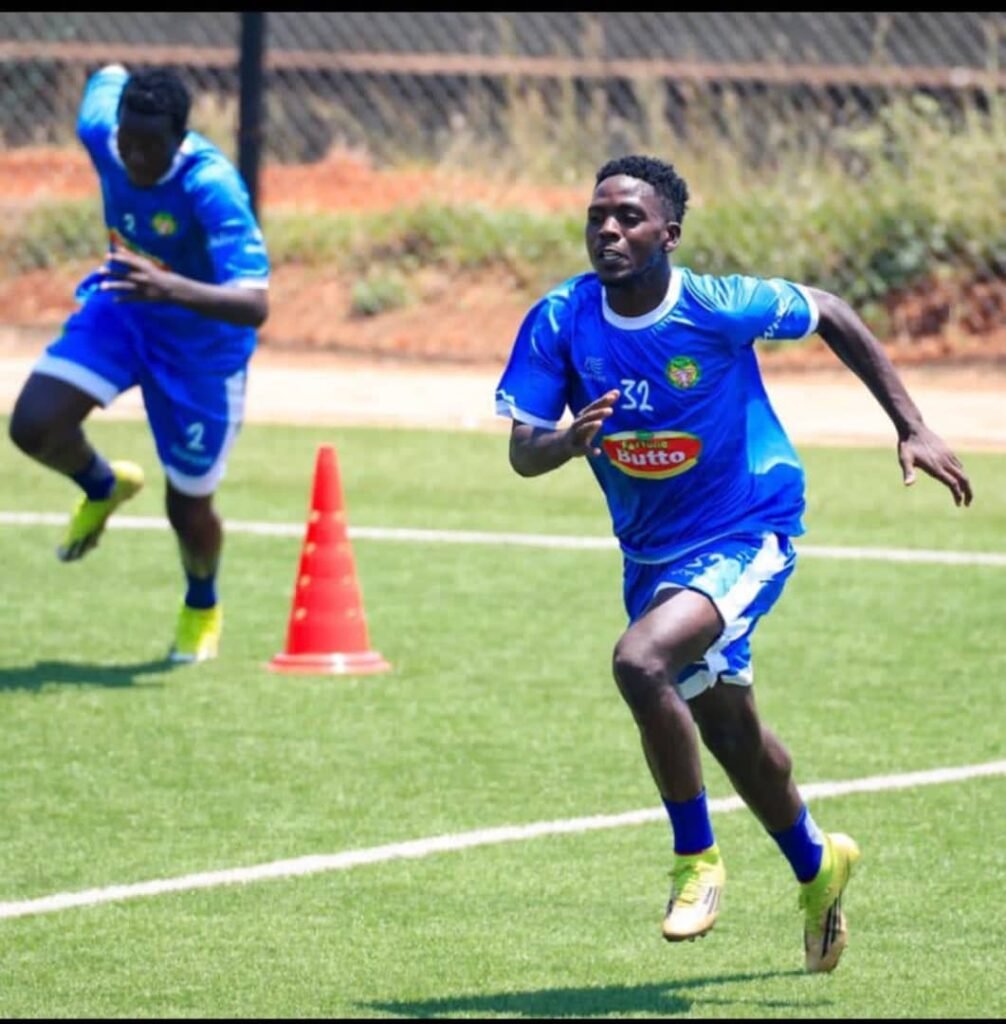
As Sports Light Uganda, a platform passionate about promoting and covering women’s football, we take a look back at the Kawempe Muslim Ladies team that represented Uganda in the 2024 CECAFA Women’s Champions League Zonal Qualifiers.
Kawempe finished third after defeating Tanzanian giants Simba Queens 2–0 in the bronze-medal playoff.
The victory was secured through goals from Agnes Nabukenya and Sumaya Nabuto, giving the Ugandan side a memorable finish to the tournament.
Beyond the result, however, was a team filled with talented players who would go on to leave their mark on Ugandan women’s football.
Josephine Nambuya — The trusted goalkeeper
The Kawempe technical bench trusted Josephine Nambuya with the responsibility of guarding the goal against Simba Queens.
Despite making some mistakes during the semi-final, the goalkeeper retained the confidence of the coaching staff and repaid that trust with a clean sheet in the 2–0 victory.
Nambuya had also been sharing goalkeeping responsibilities with the experienced Juliet Adeke, giving Kawempe depth between the posts.
Her performance against Simba demonstrated the importance of confidence from the technical bench and a goalkeeper’s ability to respond after a difficult performance.
Sharifah Nakimera — The physical defender
Sharifah Nakimera emerged as an important part of the Kawempe defensive unit following the departure of senior players, including Aisha Nantongo, who left for professional football.
Nakimera stepped into the gap left by the experienced players, bringing physicality, strength and determination to the defence.
At a time when many wondered whether Kawempe could replace some of its experienced stars, Nakimera proved that the club had another defender ready to take responsibility.
Ritah Mushimire — The defensive partner
With Hadijah Babirye unavailable, Ritah Mushimire became one of the important options in Kawempe’s defence.
Her partnership with Nakimera provided stability at the back.
Together, the defensive pair helped limit Simba Queens’ attacking threat and prevented the Tanzanian side from creating the kind of problems that could have exposed Nambuya’s goal.
Their defensive discipline was a key part of Kawempe’s ability to finish the match without conceding.
Jolly Kobusingye — The attacking left-back
Jolly Kobusingye brought a different dimension to Kawempe’s defence.
Operating from the left side, she was not only responsible for defending her flank but also contributed to Kawempe’s attacking play through her movement and deliveries into the box.
Her ability to provide crosses gave Kawempe an additional attacking outlet.
Kobusingye later moved to Kampala Queens, and her departure left a gap that Kawempe had to work hard to fill.
Dorcus Kisakye — The midfield link
Dorcus Kisakye was an important link between Kawempe’s defence and attack.
Her work in midfield helped the team transition from defence into attack while maintaining balance in the middle of the pitch.
She also played an important role in the bronze-medal victory and was among the players who contributed to Kawempe’s attacking threat.
Krusum Namutebi — The physical presence
Krusum Namutebi brought physicality and energy to the Kawempe midfield.
She helped the team compete for possession and contributed in both defensive and attacking phases.
Namutebi was also part of a generation that had to step forward following the departure of some of Kawempe’s experienced midfielders, including Tracy Jones Akiror.
Her ability to compete physically and cover ground made her an important part of the midfield structure.
Phionah Nabulime — The captain and leader
Phionah Nabulime was more than a midfielder; she was the leader of the team.
As captain, she provided direction and helped keep the team organised during a demanding regional tournament.
Her leadership qualities stood out as Kawempe fought to finish the competition with a medal.
Nabulime later took the next step in her career by moving to Egypt, where she joined FC Masar to pursue professional football.
Her journey became another example of how Kawempe has continued to develop players capable of competing beyond Uganda.
Sumaya Nabuto — The attacking threat
Sumaya Nabuto brought pace, energy and directness to Kawempe’s attack.
Her movement from the wide areas caused problems for the Simba Queens defence and gave Kawempe an important attacking outlet.
Her contribution was rewarded with a goal in the bronze-medal victory, helping Kawempe secure the 2–0 win over Simba Queens.
Shadia Nabirye — The wide player
Shadia Nabirye provided width and movement in attack.
Her ability to operate from the wide areas helped stretch Simba Queens’ defensive structure and created additional space for Kawempe’s forwards and midfielders.
She formed part of an attacking unit that gave Kawempe different options going forward.
Hadijah Nandago — The attacking option
Hadijah Nandago was another important attacking option for Kawempe.
She brought movement, energy and physical presence to the forward line and contributed to the team’s attacking approach throughout the tournament.
Nandago was also part of a Kawempe attack that demonstrated just how much firepower the Ugandan champions possessed.
Agnes Nabukenya — The match winner and star
Agnes Nabukenya was one of the standout attacking players in the Kawempe team.
She scored in the 2–0 victory over Simba Queens, helping the club secure the bronze medal.
Her performances also demonstrated her quality as one of the promising players of her generation.
Two years later, Nabukenya remained an important figure for Kawempe.
In the 2026 CECAFA zonal qualifiers in Kigali, she scored four goals and emerged as Kawempe Muslim Ladies’ top scorer, underlining her continued importance to the club.
From bronze to gold
The 2024 Kawempe team may have returned home with bronze, but the players and experience gained from that campaign helped lay the foundation for the club’s future.
In 2026, Kawempe returned to the regional stage with a new generation of players but with the same ambition.
This time, bronze was not enough.
They went all the way.
From a 2–0 victory over Simba Queens and a bronze medal in 2024 to a 1–0 extra-time victory over Kenya Police Bullets and CECAFA gold in 2026, Kawempe Muslim Ladies have completed a remarkable journey.
What began with bronze has now ended in gold — and the story of Kawempe’s rise has become another landmark chapter in Uganda’s women’s football history.

About the author
More from this authorUwizera Plan
Uwizera Plan has 15 published stories on the Sports Light desk, following the matchday agenda, governance calls, and the storylines shaping Ugandan sport.
Reader responses
Comments
Leave a comment
Join the conversation around the story.