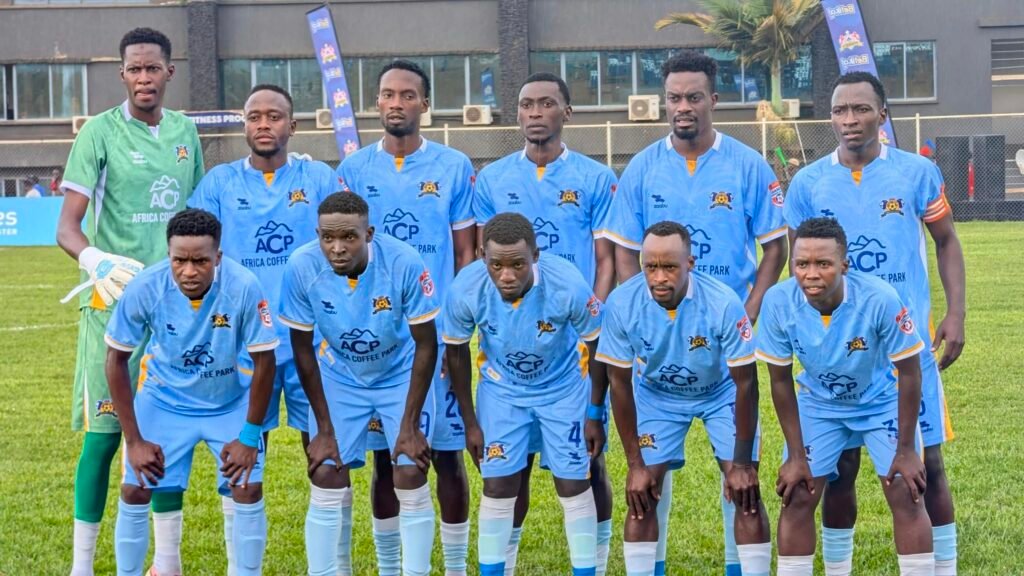
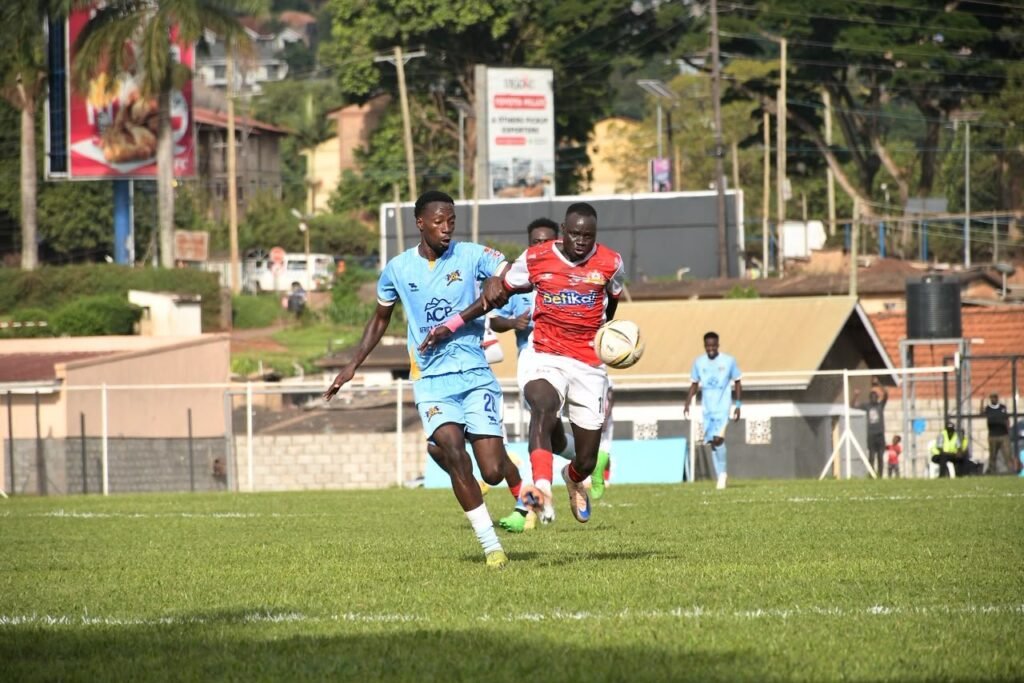
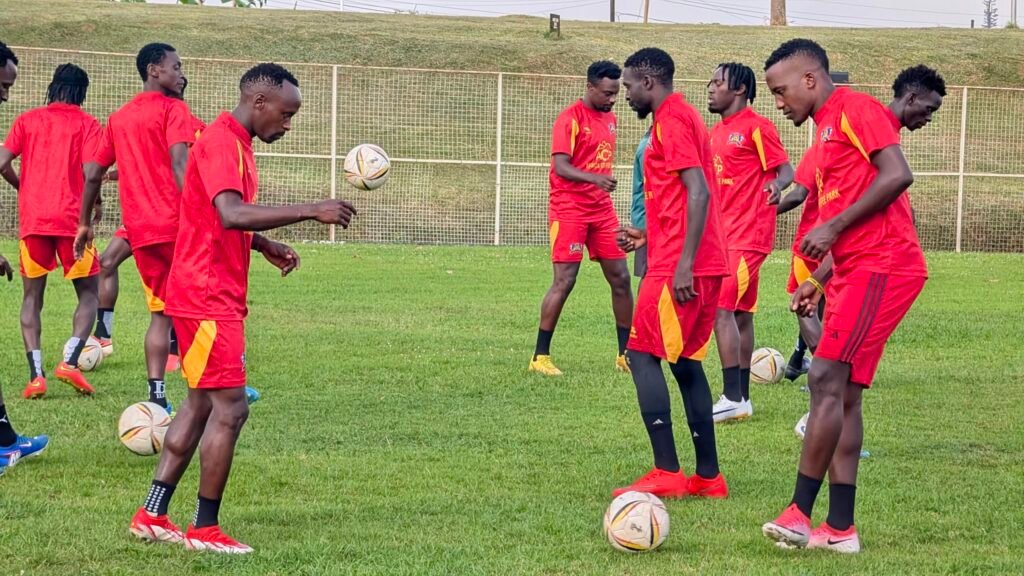
Uganda Cranes Beat Libya, but Hoima Victory Exposes Areas of Concern
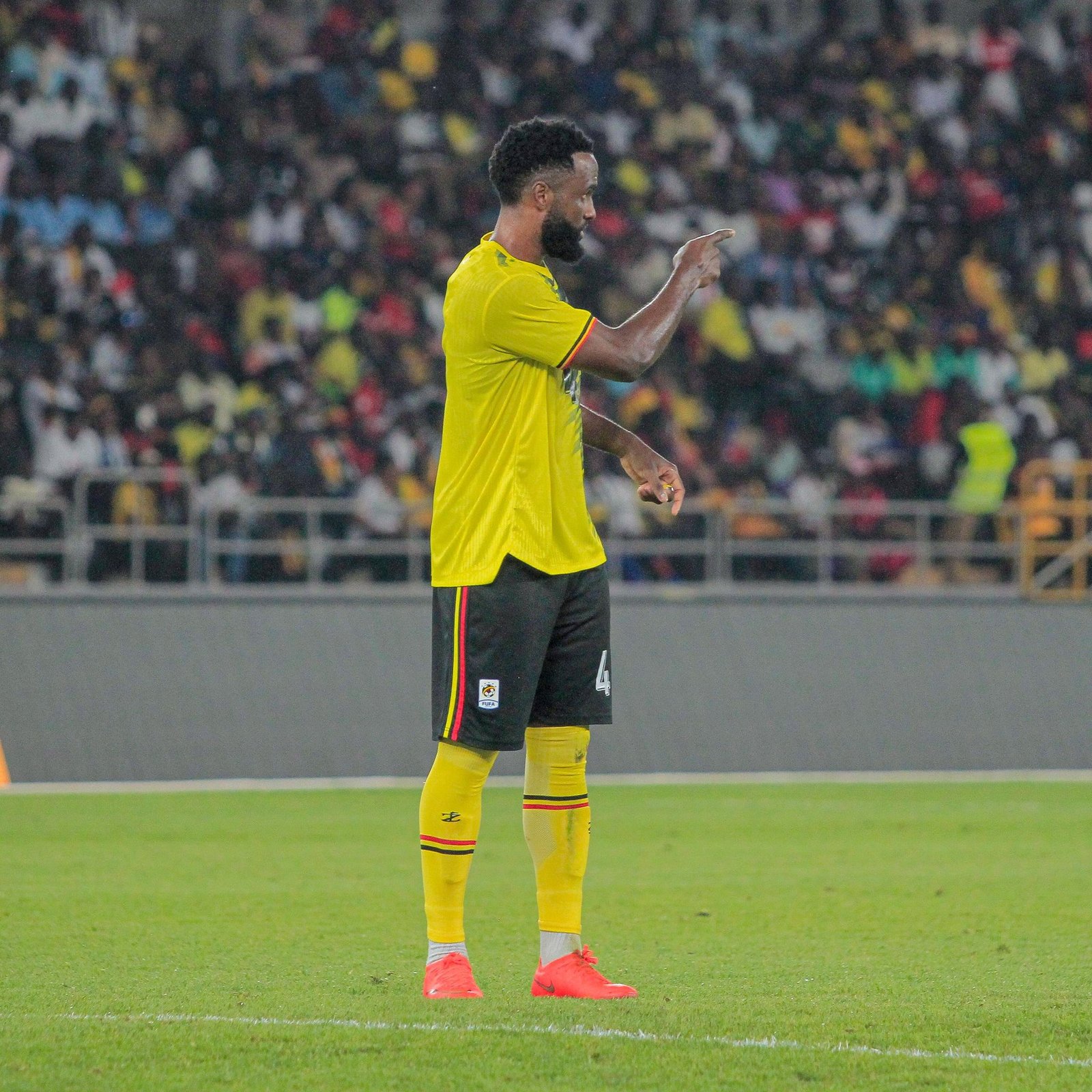
On Tuesday, September 29, 2026, the Uganda national football team, the Uganda Cranes, hosted their first international match at Hoima City Stadium in Hoima District.
The Cranes secured maximum points with a 1–0 victory over Libya in a match played under floodlights at Hoima Stadium, thanks to a goal from Arnold Vula.
The victory moved Uganda to four points in Group H. The Cranes had earlier drawn 1–1 with Tunisia, where they produced an impressive performance, particularly in the second half, to earn a valuable point away from home.
Although Uganda secured a 1–0 victory against Libya, the team struggled in the second half and were fortunate not to concede as the visitors created several opportunities.
At Sportslight Uganda, we look at some of the factors that made the difference between the two performances.
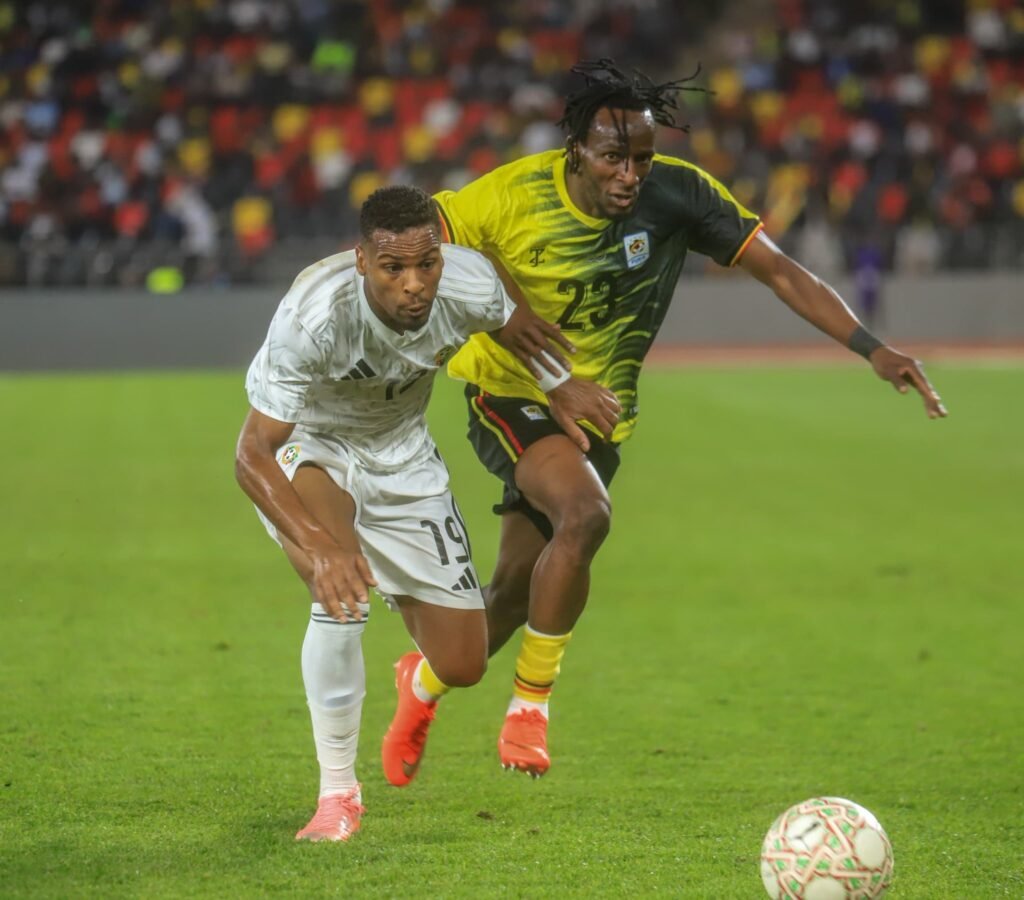
- Struggles with the Back Three
The Uganda Cranes’ defenders looked comfortable when passing the ball, but their defensive performance was less convincing, particularly when dealing with aerial balls.
This was evident from the chances created by Libya, with experienced goalkeeper Denis Onyango making important saves to keep the hosts in front.
The Cranes looked more comfortable when attacking, but they appeared vulnerable when caught out of position. The team may need to strengthen its defensive organisation, while the availability of players such as Elio Capradossi and Jordan Obita could provide additional options.
The coaching staff could also consider switching to a back four to provide greater defensive stability in upcoming matches.
- Lack of Chemistry in Midfield
The midfield combination used against Tunisia included Noble Okello, Allan Okello, Hassan Baba and Travis Mutyaba.
The midfielders appeared to understand their roles and positioning, allowing them to connect effectively and create opportunities for the forwards.
However, when Arnold Vula replaced Travis Mutyaba, the absence of Mutyaba’s influence in midfield was noticeable.
Uganda struggled to create chances after the change and finished the match with only one shot on target. Although Vula scored the winning goal, he appeared to struggle to establish the same understanding with his teammates that had been evident during the Tunisia match.
The difference highlighted the importance of midfield balance, movement and creativity in helping the forwards receive quality service.
- A Quiet Striking Line
Uganda’s attacking line was relatively quiet throughout the match, and this could be attributed to several factors.
One possible reason was Libya’s defensive preparation. The visitors appeared to have done their homework on Uganda’s key attackers, particularly Rogers Mato, who struggled to find space and reach the visitors’ penalty area.
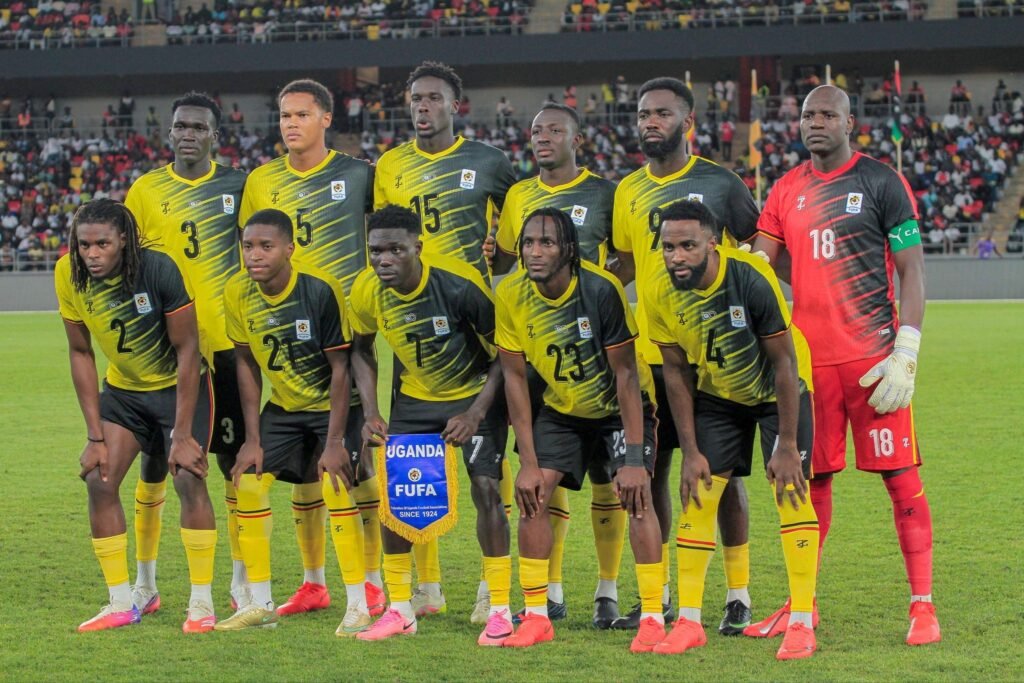
Mato was closely marked by the Libyan defenders throughout the game, limiting his influence. He was eventually substituted for Bogere towards the end of the match.
Another possible factor was the absence of Travis Mutyaba. His ability to carry the ball forward, take on opponents and create opportunities for the strikers was missed.
Without the same level of creativity from midfield, Uganda’s forwards received fewer opportunities to threaten the Libyan defence.
- Could Fatigue Have Played a Role?
Fatigue is another factor that could be considered when analysing Uganda’s performance.
The Cranes had a demanding schedule involving travel from Tunisia to Entebbe and then to Hoima. Such movement, combined with limited recovery time, could have affected the players’ energy levels.
The second-half performance, in particular, raised questions about whether the players were able to fully recover before the Libya match.
With upcoming fixtures ahead, adequate recovery and preparation could be important for maintaining the team’s intensity and performance levels.
Conclusion
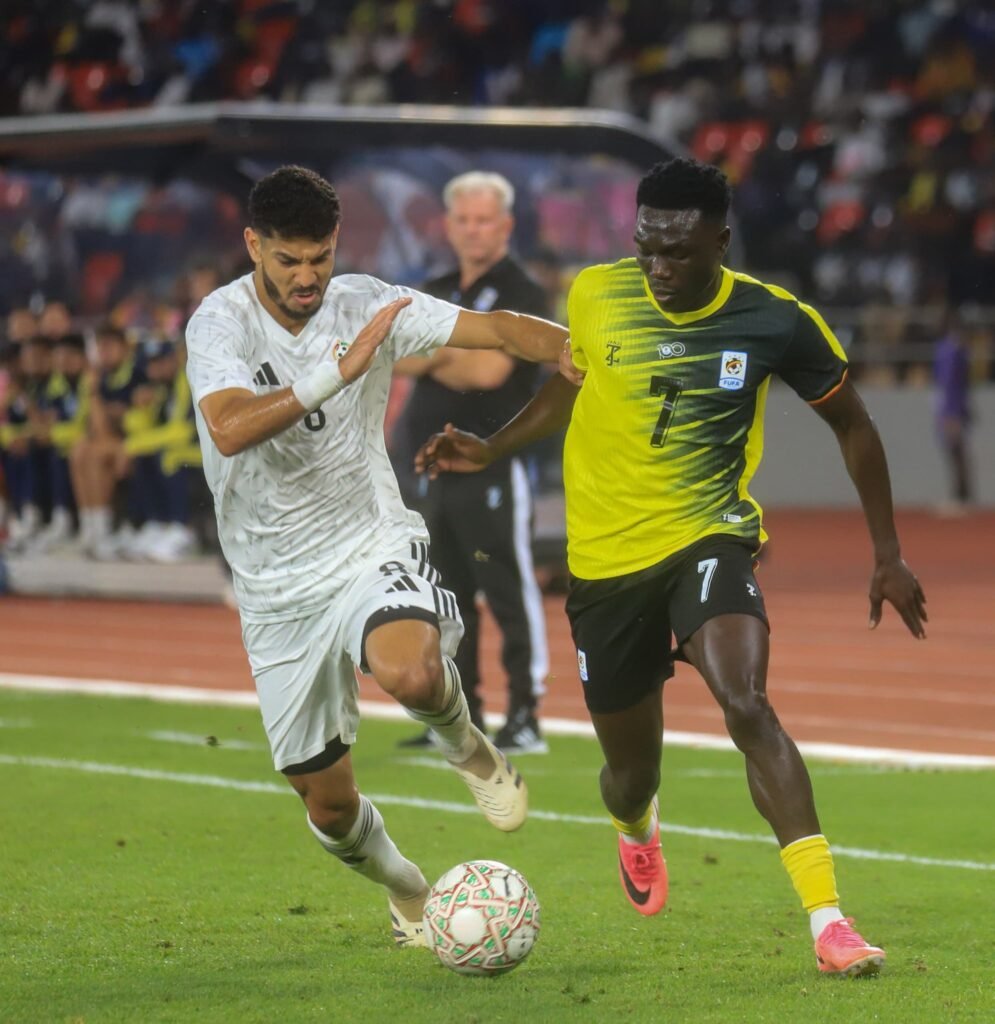
The Uganda Cranes secured the most important outcome against Libya: three points. However, the 1–0 victory also exposed areas that require attention, particularly defensive organisation, midfield balance and attacking creativity.
While the result keeps Uganda in a positive position in Group H, the performance suggests that there is still work to be done if the Cranes are to maintain the level of performance they demonstrated against Tunisia.
The coaching staff will now have an opportunity to assess the team’s weaknesses, improve the balance between defence and attack, and ensure the players are better prepared for the challenges ahead.

About the author
More from this authorUwizera Plan
Uwizera Plan has 25 published stories on the Sports Light desk, following the matchday agenda, governance calls, and the storylines shaping Ugandan sport.
Reader responses
Comments
Leave a comment
Join the conversation around the story.