Four Years On: Has TV Coverage Benefited the FUFA Women Super League?
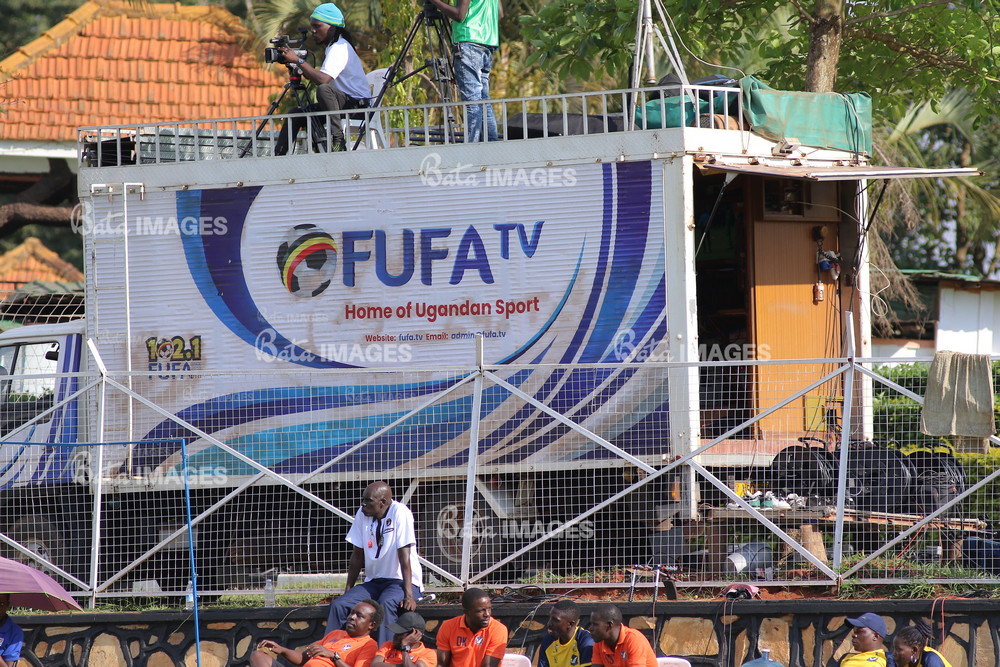
Four years on, the question still lingers: have FUFA Women Super League (FWSL) clubs truly benefited from television coverage, or has the initiative turned into a double-edged sword?
In 2019, the Federation of Uganda Football Associations (FUFA) introduced the FWSL, replacing the FUFA Women Elite League, which had been in existence since 2015.
While unveiling the new league, FUFA President Moses Magogo emphasized that the federation’s decisions are always strategic, describing the move as a major step toward uplifting women’s football in Uganda.
He noted that the change was part of a broader vision to transform Uganda into a football powerhouse in Africa, both on and off the pitch, through development, funding, and capacity building.
The earlier league had laid the groundwork, but FUFA believed it was time to raise the bar and take the game to the next level.
However, as the saying goes, the proof of the pudding is in the eating. Subsequent developments left many stakeholders questioning the direction.
In a surprising move, FUFA—through CEO Edgar Watson—announced a shift in match kick-off times from 4:00 pm to 10:00 am.
The change was attributed to tight scheduling on FUFA TV, particularly due to overlapping coverage of other competitions such as the Uganda Premier League.

While the decision aimed to maximize television coverage, it did not sit well with everyone. Some administrators opposed the move, but their concerns were overlooked, and the new schedule was implemented.
Fast forward to today, and the key question remains: has this early kick-off strategy delivered the intended results?
On one hand, the league has seen increased participation. More schools and clubs have embraced women’s football, indicating that the initial investment is beginning to yield results.
On the other hand, when it comes to tangible benefits, particularly player welfare, the progress remains limited. Many players continue to compete primarily out of passion, with minimal financial reward, leading some to retire earlier than expected.
At club level, the introduction of morning matches during the 2022–2023 season initially appeared beneficial. An estimated 70–80% of matches were broadcast, providing clubs with much-needed exposure.
This visibility attracted sponsors such as Finance Trust Bank, offering hope for improved club welfare and sustainability.
However, over time, the situation has shifted. Television coverage has declined, raising concerns among stakeholders about the sustainability of the initiative.
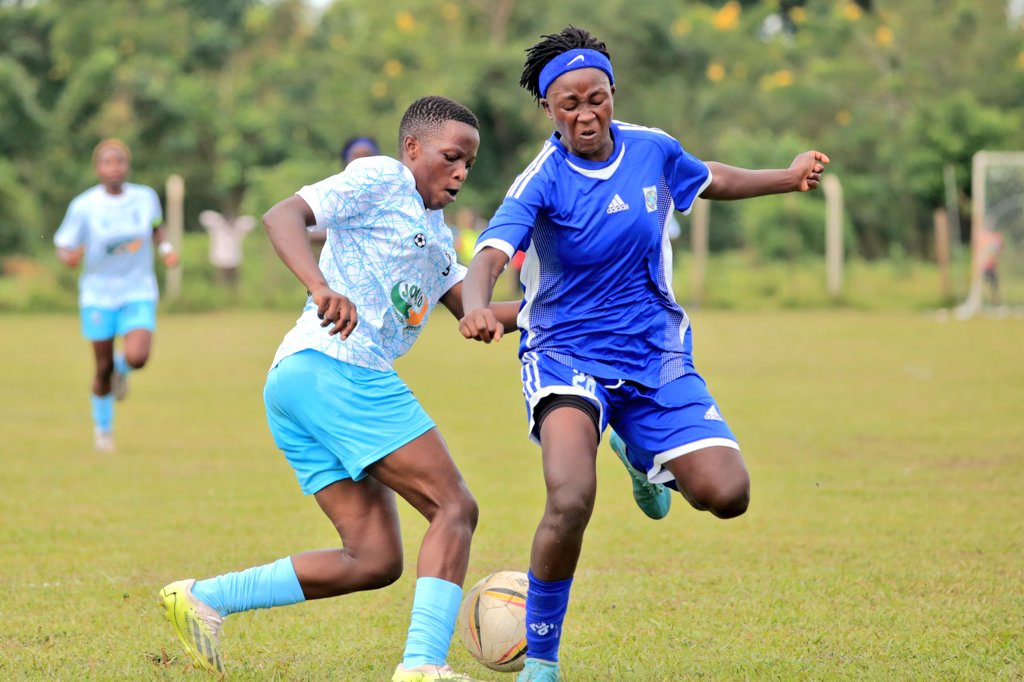
In the 2025–2026 season, only a limited number of matches have been aired—many involving the same club (Kampala Queens), sparking debate across the football community.
Fans have also felt the impact. Rather than boosting attendance, morning kick-offs appear to have reduced crowd turnout and weakened the match-day atmosphere. In trying to prioritize television coverage, the league may have inadvertently sacrificed fan engagement.
This raises broader questions about the state of women’s football in Uganda. Why has growth in player welfare and development not kept pace with expectations? Could the current scheduling approach be counterproductive?
As the debate continues, one thing is clear: while the vision behind the FWSL was commendable, its execution may require reassessment.
Without adjustments, the league risks prioritizing visibility over the fundamental needs of the players and clubs it was designed to support.

About the author
More from this authorUwizera Plan
Uwizera Plan has 25 published stories on the Sports Light desk, following the matchday agenda, governance calls, and the storylines shaping Ugandan sport.
Reader responses
Comments
Leave a comment
Join the conversation around the story.